
Why Soft Skills Are the New Hard Skills in Business
Introduction: The Quiet Revolution of Skills
For decades, the business world has placed a premium on technical expertise. Proficiency in data analysis, programming, financial modeling, or operations management these were the pillars of employability, the so-called “hard skills” that shaped hiring decisions and career trajectories. But the landscape is shifting.
In an era defined by automation, global collaboration, and rapid change, a quiet revolution is underway: soft skills once dismissed as “nice to have” are now emerging as critical assets in every workplace. Communication, adaptability, emotional intelligence, and leadership are no longer secondary traits. They are becoming the real differentiators in competitive environments.
So, what’s causing this reversal? And why are soft skills increasingly being viewed as the new hard skills?
1. From Execution to Collaboration: The New Nature of Work
Work in the 21st century is less about operating in silos and more about interconnection. Globalization and digital transformation have created teams that span continents, cultures, and time zones. In such environments, technical expertise is not enough.
The ability to listen actively, negotiate, and collaborate is now essential for productivity and cohesion. Projects no longer succeed solely because of brilliant code or perfect spreadsheets; they succeed because diverse minds can come together, align on vision, and move forward with mutual understanding. In this context, soft skills are no longer optional they’re operational.
2. Automation Can’t Replicate Empathy
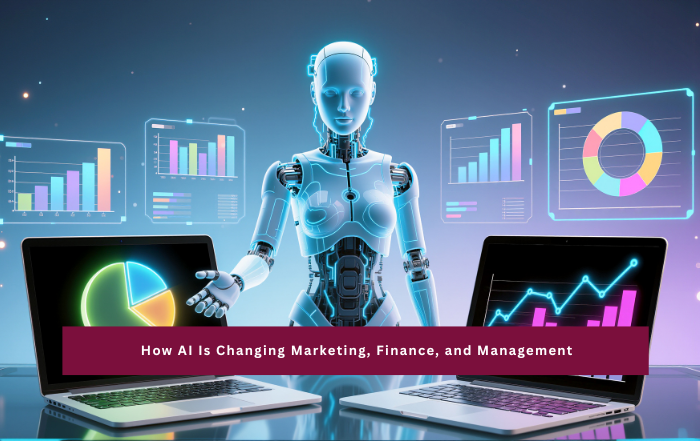
Artificial intelligence can automate calculations, forecast trends, and even generate content. But it cannot replicate empathy.
As more repetitive and routine tasks are delegated to machines, the uniquely human capacities like emotional intelligence, ethical judgment, and critical thinking — are becoming more valuable. In high-stakes situations, clients and stakeholders still seek a human connection: someone who can read the room, understand unspoken concerns, and lead with integrity.
Soft skills are not just about being “nice” they are strategic tools that enable trust, loyalty, and long-term relationships in an increasingly digital and impersonal world.
3. Leadership is Evolving: Command-and-Control is Out
The image of the commanding CEO barking orders is outdated. Today’s leaders are coaches, facilitators, and listeners. Modern leadership requires the ability to inspire teams, foster inclusivity, and navigate uncertainty with empathy and humility.
Companies are now investing in soft skills development not only for mid-level managers but also for top executives. Why? Because leadership grounded in emotional intelligence consistently drives higher engagement, innovation, and employee retention.
Harvard Business Review has found that the best-performing leaders are not the most technically brilliant they are the ones with the strongest soft skills. That’s not just a cultural shift — it’s a business case.
4. The Future of Talent: Rethinking Hiring and Education
Universities and business schools are beginning to take note. Technical degrees are still in demand, but curricula are evolving to integrate soft skills training into the learning journey.
Likewise, recruiters are now looking beyond CVs and certificates. They’re assessing interpersonal capabilities, resilience, curiosity, and the ability to grow within a team. Tools like behavioral interviews, situational questions, and emotional intelligence assessments are gaining prominence in the hiring process.
In short, the talent of the future won’t be defined just by what someone knows, but by how they think, feel, and connect.
Conclusion: Redefining What It Means to Be Skilled
The line between soft and hard skills is fading. In today’s economy, knowing how to work with people is just as important if not more than knowing what to do. Soft skills are becoming the new currency of value in modern business: subtle, powerful, and indispensable.
For business leaders, students, and entrepreneurs alike, investing in soft skills is no longer optional. It’s a strategic imperative one that will define not only careers but also the future of business itself