Why Skills-Based Learning Is Replacing Traditional Degrees
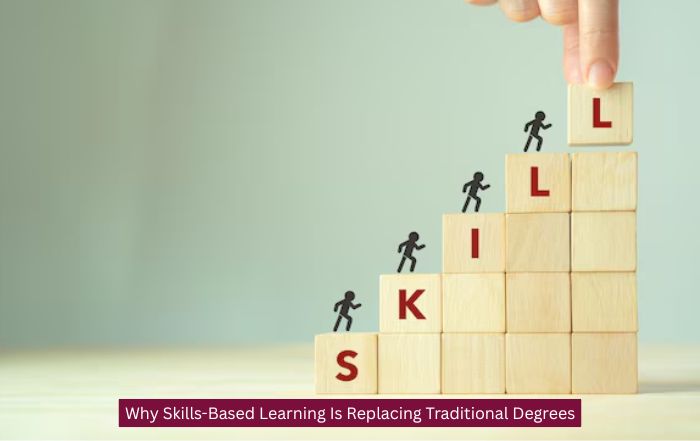
The way people prepare for work is shifting fast – for decades the default plan was to earn a three- or four year university degree – now many industries treat focused, skill centred training as an equal or better option. Students and schools are all noticing that what someone can do often counts for more than the title of the qualification that hangs on a wall.
What Employers Now Expect
Hiring managers want evidence that a candidate can handle the tasks that appear on a normal working day. The ability to speak and write clearly, to solve problems, to work with others plus to use digital tools is weighed alongside – or even above – holding a formal degree. Programmes that build skill give repeated practice in those areas – the person who finishes is ready to contribute from the first morning on the job.
A Quicker Route to a Paycheque
A standard bachelor’s degree usually demands three or four years before the learner is free to apply for work. Skill-centred courses compress the timetable – they last a few months to two years and they target only the knowledge that the workplace asks for. People who need income soon or who want to leave one field and enter another, therefore finish faster but also start earning earlier.
Education That Mirrors Real Work
Skill-centred courses are built from whatever abilities employers currently advertise in job postings. Because industry demand changes, the content is rewritten each term. Learners finish assignments that copy real projects, study cases taken from actual companies and practise on the same hardware or software they will meet in employment – the distance between study and work is small.
Lower Fees for the Same Outcome
Tuition for university degrees has climbed high enough that many students question the return on the investment. Skill-centred programmes charge less money but still lead to positions with good salaries. The lower price removes a barrier as well as allows more people to obtain training that improves their prospects.
Emphasis on Lifelong Learning
The changing nature of the labor market means that education and learning now never really end. Skills education helps in continuous and lifelong education and therefore helps in continuous upskilling or reskilling of people.
Facilitating Career Development and Flexibility
Contrary to solely relying on educational theories for learning, skills-based learning is designed to empower individuals to not just survive but thrive in various work situations. Such programmes enable individuals to acquire transferable skills which are universally indispensable.
Conclusion
The skills-based approach is changing face of modern education in terms of emphasis on knowledge, skills, and adaptability in skills and knowledge. As modern job markets continue changing, skills-based education is gradually replacing traditional education in terms of being considered the best way for success in jobs. Students who pursue skills-based education are preparing for growth in a global job market.