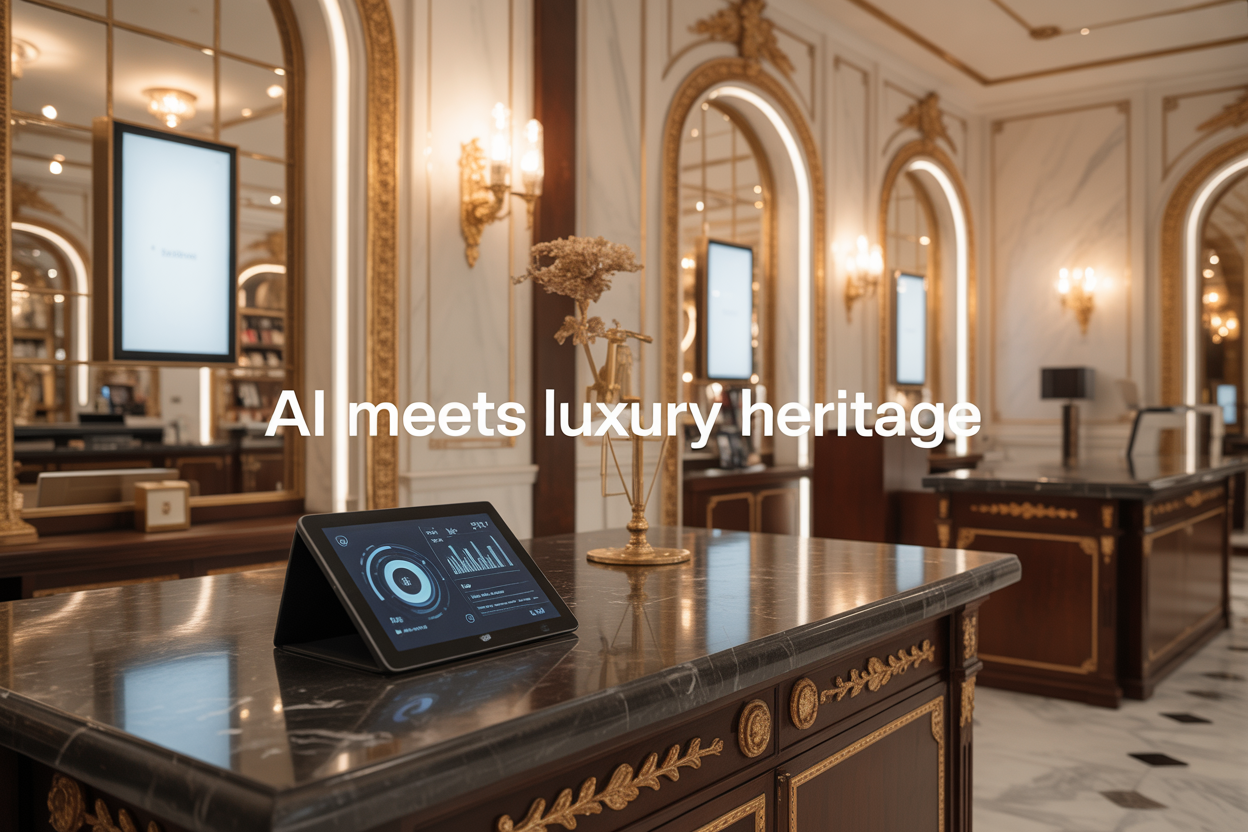
The luxury industry faces an unprecedented challenge: maintaining the exclusivity and craftsmanship that define heritage while embracing AI-driven personalization that modern consumers demand. As Euromonitor notes, “Luxury is no longer just about what you own; it’s about how you live, how you feel, and how you connect”.
This tension between tradition and technology is reshaping career requirements across the sector. Whether you’re entering the industry or leading digital transformation, understanding this convergence is essential.
The AI Revolution in Luxury: Beyond Chatbots
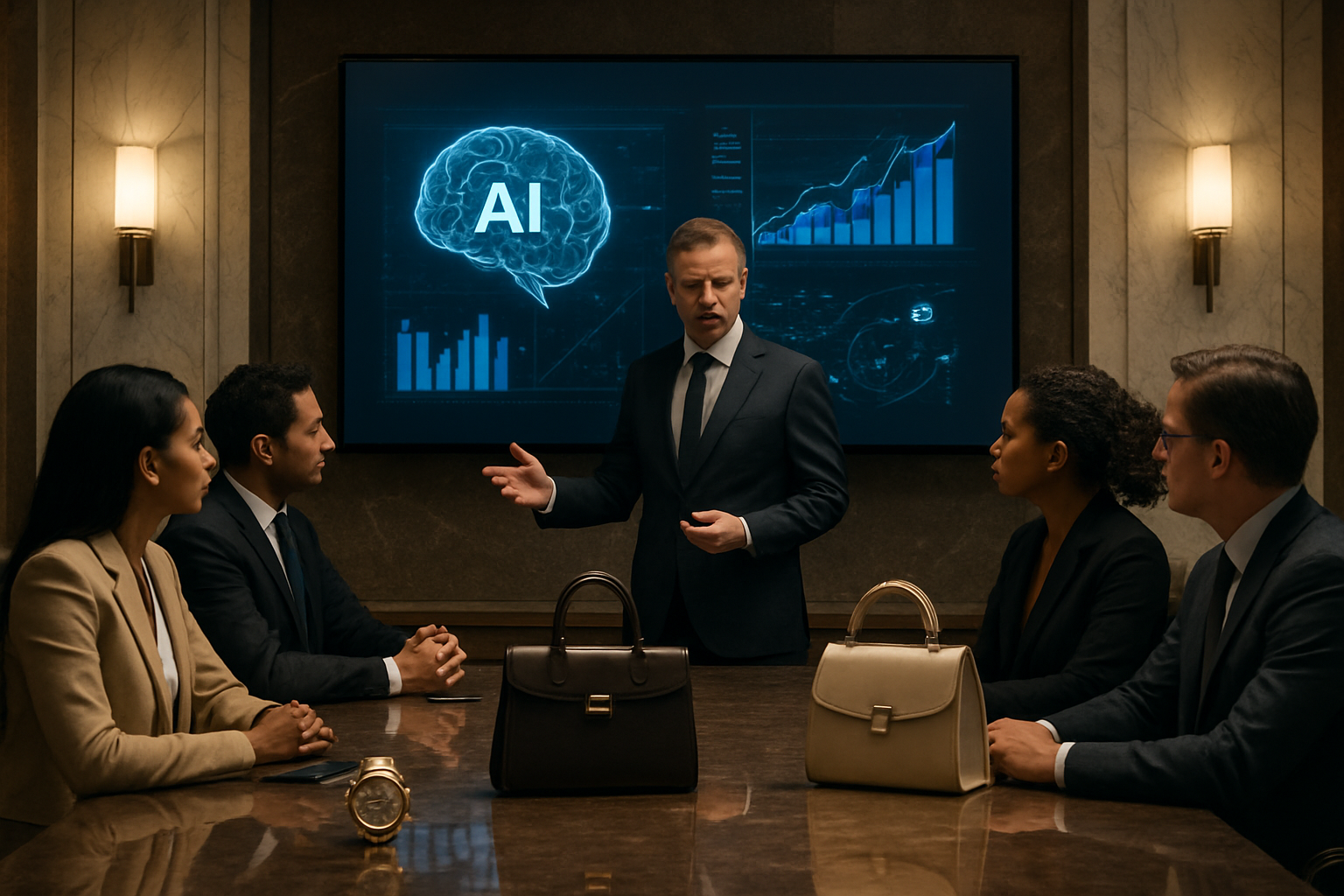
While most industries view AI as an efficiency tool, luxury houses are leveraging it as a creativity multiplier. According to recent industry analysis, 67% of luxury professionals believe GenAI will help create more targeted campaigns but the applications extend far beyond marketing.
Predictive Design & Trend Forecasting
Louis Vuitton now uses AI to “predict upcoming fashion trends” while maintaining artistic direction. This represents a fundamental shift: algorithms analyze global patterns, but human curators decide which innovations align with brand DNA.
Hyper-Personalization at Scale
Today’s luxury consumers expect “experiences tailored to them” whether custom handbags or curated digital journeys. AI enables brands to deliver personalization without sacrificing the exclusivity that defines luxury. Ralph Lauren’s AI-driven digital shopper plug-in exemplifies this balance, offering personalized recommendations while maintaining brand prestige.
Sustainable Supply Chains
AI supply chain specialists are helping luxury brands “optimise logistics and inventory management” while reducing overproduction and waste. This addresses the 55% of high-income consumers who prioritize sustainability, allowing heritage brands to maintain ethical standards without compromising profitability.
The Cultural Shift: From Products to Ecosystems
Simon-Kucher’s 2025 research reveals that consumers increasingly view luxury through the lens of “authorship rather than geography”. This shift demands professionals who understand both heritage storytelling and digital innovation.
Key trends reshaping the industry:
- Quiet Luxury Meets Digital Noise
The “quiet luxury” movement favors minimalism and craftsmanship over logos, yet requires sophisticated digital strategies to reach discerning audiences. AI helps identify high-intent consumers without mass-market advertising that dilutes exclusivity. - The Metaverse as a New Flagship
Several major brands now experiment with virtual recruitment and immersive brand experiences in the metaverse. These digital flagships serve as both marketing channels and testing grounds for physical product launches. - Circular Luxury & AI Authentication
As resale markets surge, AI-powered provenance tracking and blockchain authentication become essential. Brands like Monica Vinader offer “product passports” with full manufacturing transparency combining heritage craftsmanship with digital accountability.
Career Implications: Two Pathways
This convergence creates two distinct career trajectories:
Pathway 1: The AI-Savvy Luxury Specialist
For those entering the industry, understanding AI applications in luxury is becoming non-negotiable. Emerging roles include:
- AI Visual Strategist (using Midjourney/DALL-E for campaigns)
- Digital Heritage Curator
- Sustainability Data Analyst
- Omnichannel Experience Architect
The Level 3 Diploma in Luxury Brand Management now incorporates these digital competencies, ensuring graduates understand “how luxury brands use digital platforms to engage with clients while maintaining exclusivity”.
Pathway 2: The Strategically-Minded Executive
For senior leaders, the challenge is orchestrating transformation without alienating traditional clientele. This requires understanding “AI fundamentals, terminology, and applications” while maintaining brand heritage.
The Diploma in AI for Leaders and Executives addresses this specific need, teaching executives to “lead AI transformation initiatives” within heritage-rich organizations.
The Education Imperative
As the luxury sector diversifies its talent requirements, generic qualifications no longer suffice. Professionals need specialized education that bridges traditional luxury values with technological innovation.
For aspiring brand managers, the Level 3 Diploma in Luxury Brand Management offers foundational knowledge in “luxury branding, sustainability, and consumer behaviour” while addressing digital transformation.
For executives leading transformation, the Diploma in AI for Leaders provides the “strategic understanding, decision-making frameworks, and ethical considerations” necessary for responsible innovation.
Looking Forward: The Hybrid Future
The future of luxury belongs to professionals who can navigate both worlds. As Glion Institute observes, brands must balance “digital craftsmanship” with “sustainable sourcing and circular design” combining technological innovation with traditional values.
Whether you’re analyzing consumer data to personalize the client journey or using AI to optimize sustainable supply chains, the convergence of AI and luxury creates unprecedented opportunities for skilled professionals.
Conclusion: Embrace the Convergence
The luxury industry’s digital transformation isn’t a threat to heritage it’s an evolution of it. Brands that successfully integrate AI while maintaining craftsmanship will dominate the next decade. Professionals equipped with both traditional luxury knowledge and AI literacy will lead this evolution.
Begin your journey into the future of luxury. Explore the Level 3 Diploma in Luxury Brand Management for foundational expertise, or the Diploma in AI for Leaders for executive transformation.
London School of Business (LSB) nurtures leaders who bridge tradition and innovation. Join us in redefining how luxury businesses operate.